
Future Standards for Army Aircraft: A Vision for 2026
페이지 정보
작성자 Veronica 작성일 26-07-11 14:13 조회 6 댓글 0본문
For instance, combat arms soldiers may have different scoring requirements compared to support or administrative roles. This system will categorize soldiers based on their military occupational specialty (MOS) and the physical demands associated with their specific roles. This approach acknowledges that not all soldiers face the same physical challenges and allows for a more equitable assessment of fitness. One of the most significant changes anticipated in the 2026 scores is the introduction of a tiered scoring system.
The standards will emphasize the need for standardized communication protocols and data-sharing capabilities, facilitating coordinated operations across various platforms and services. Interoperability will also be a key aspect of the 2026 ACFT standards. This will not only enhance operational effectiveness but also reduce the risk of miscommunication during joint missions. As military operations increasingly involve joint forces and allied nations, the ability for different aircraft to communicate and operate seamlessly together is paramount.
With clear benchmarks for performance, soldiers are encouraged to strive for higher scores, fostering a culture of fitness and resilience within the ranks. The emphasis on physical fitness as a critical component of military service aligns with the Army's commitment to maintaining a high standard of readiness. The ACFT points system also introduces a level of competitiveness and motivation among soldiers. This competitive spirit can lead to improved overall fitness levels, as soldiers train more rigorously to achieve their desired scores.
Determine Event Scores: After completing the test, you will receive a score for each event. The scores for each event are calculated based on the number of repetitions completed, the time taken, or the distance achieved, depending on the event. For example, in the deadlift, your score is based on the maximum weight lifted.
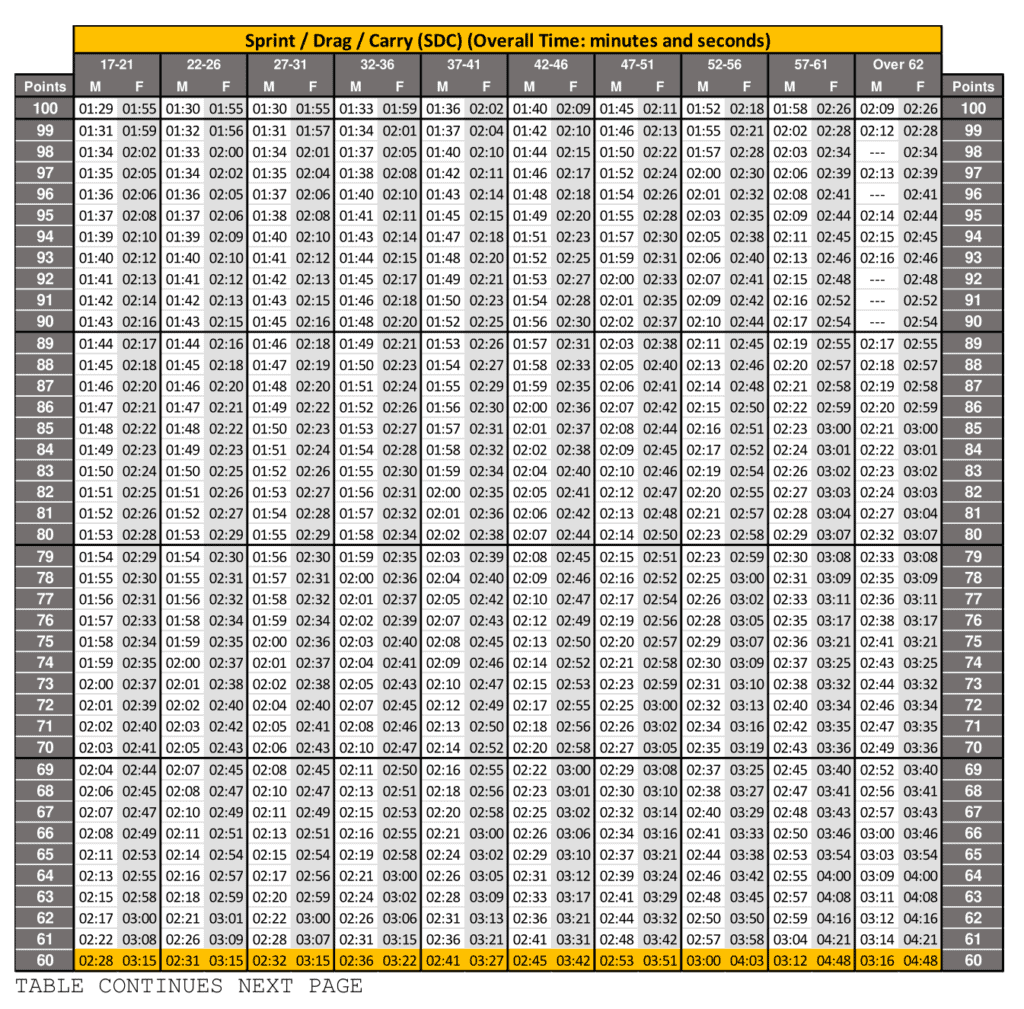 Army's physical fitness program, designed to assess soldiers' physical readiness for combat. The Army Combat Fitness Test (ACFT) is a pivotal component of the U.S. As the ACFT evolves, particularly with the anticipated changes and scoring adjustments set for 2026, it is essential for soldiers and commanders to understand what these scores mean and how they will impact overall fitness evaluations.
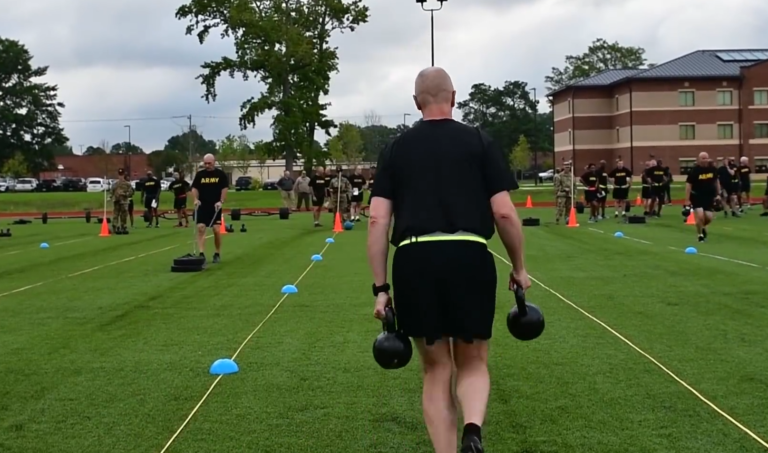 The ACFT is scored on a scale of 0 to 600 points, with each event contributing to your overall score. The ACFT consists of six events: the deadlift, standing power throw, hand-release push-ups, sprint-drag-carry, leg tucks, and a two-mile run. Each event is designed to assess different aspects of fitness, including strength, endurance, and agility. The Army Combat Fitness Test (ACFT) was introduced to ensure that soldiers are physically prepared for the demands of combat.
The 2026 standards will require aircraft to be versatile enough to operate in a range of conditions, from urban settings to remote, rugged terrains. Another critical area of focus will be the adaptability of army aircraft to diverse operational environments. Such flexibility will ensure that the Army can respond effectively to a variety of threats and challenges. This adaptability will be achieved through modular designs that allow for rapid reconfiguration of aircraft for specific missions, whether it be troop transport, medevac, or combat support.
As we look towards 2026, it is clear that the evolution of army aircraft will play a pivotal role in shaping the future of military operations, ensuring that the Army remains a formidable force in an ever-changing global landscape. By addressing these critical areas, the Army will enhance its operational capabilities and readiness for the challenges of future warfare. In conclusion, the Army Aircraft standards of 2026 will represent a comprehensive approach to military aviation, integrating cutting-edge technologies, emphasizing sustainability, and ensuring interoperability and adaptability.
 This differentiation acknowledges the physiological differences between genders while still holding all soldiers to a standard that reflects the demands of military service. Currently, the ACFT has separate scoring charts for males and females, with different thresholds for passing and achieving higher scores.
In conclusion, the 2026 ACFT scores represent a significant shift in how the Army assesses physical fitness. With a focus on tiered scoring, holistic fitness, and detailed feedback, soldiers will be better equipped to meet the demands of their roles. By understanding the implications of these changes and proactively preparing for them, soldiers can enhance their physical readiness and contribute to the overall mission of the Army. Embracing these changes will not only improve individual fitness levels but also foster a stronger, more capable fighting force.
However, the implementation of the ACFT and its points system has not been without controversy. Nonetheless, the ongoing debate highlights the need for continuous assessment and refinement of the acft calculator 2024 to ensure it accurately reflects the physical demands of military service. Concerns have been raised regarding the potential for bias in the scoring system, particularly when it comes to gender and age considerations. The Army has attempted to address these concerns by implementing different scoring standards based on age and gender, ensuring that all soldiers are evaluated fairly.
The standards will emphasize the need for standardized communication protocols and data-sharing capabilities, facilitating coordinated operations across various platforms and services. Interoperability will also be a key aspect of the 2026 ACFT standards. This will not only enhance operational effectiveness but also reduce the risk of miscommunication during joint missions. As military operations increasingly involve joint forces and allied nations, the ability for different aircraft to communicate and operate seamlessly together is paramount.
With clear benchmarks for performance, soldiers are encouraged to strive for higher scores, fostering a culture of fitness and resilience within the ranks. The emphasis on physical fitness as a critical component of military service aligns with the Army's commitment to maintaining a high standard of readiness. The ACFT points system also introduces a level of competitiveness and motivation among soldiers. This competitive spirit can lead to improved overall fitness levels, as soldiers train more rigorously to achieve their desired scores.
Determine Event Scores: After completing the test, you will receive a score for each event. The scores for each event are calculated based on the number of repetitions completed, the time taken, or the distance achieved, depending on the event. For example, in the deadlift, your score is based on the maximum weight lifted.
Army's physical fitness program, designed to assess soldiers' physical readiness for combat. The Army Combat Fitness Test (ACFT) is a pivotal component of the U.S. As the ACFT evolves, particularly with the anticipated changes and scoring adjustments set for 2026, it is essential for soldiers and commanders to understand what these scores mean and how they will impact overall fitness evaluations.The ACFT is scored on a scale of 0 to 600 points, with each event contributing to your overall score. The ACFT consists of six events: the deadlift, standing power throw, hand-release push-ups, sprint-drag-carry, leg tucks, and a two-mile run. Each event is designed to assess different aspects of fitness, including strength, endurance, and agility. The Army Combat Fitness Test (ACFT) was introduced to ensure that soldiers are physically prepared for the demands of combat.The 2026 standards will require aircraft to be versatile enough to operate in a range of conditions, from urban settings to remote, rugged terrains. Another critical area of focus will be the adaptability of army aircraft to diverse operational environments. Such flexibility will ensure that the Army can respond effectively to a variety of threats and challenges. This adaptability will be achieved through modular designs that allow for rapid reconfiguration of aircraft for specific missions, whether it be troop transport, medevac, or combat support.
As we look towards 2026, it is clear that the evolution of army aircraft will play a pivotal role in shaping the future of military operations, ensuring that the Army remains a formidable force in an ever-changing global landscape. By addressing these critical areas, the Army will enhance its operational capabilities and readiness for the challenges of future warfare. In conclusion, the Army Aircraft standards of 2026 will represent a comprehensive approach to military aviation, integrating cutting-edge technologies, emphasizing sustainability, and ensuring interoperability and adaptability.
This differentiation acknowledges the physiological differences between genders while still holding all soldiers to a standard that reflects the demands of military service. Currently, the ACFT has separate scoring charts for males and females, with different thresholds for passing and achieving higher scores.In conclusion, the 2026 ACFT scores represent a significant shift in how the Army assesses physical fitness. With a focus on tiered scoring, holistic fitness, and detailed feedback, soldiers will be better equipped to meet the demands of their roles. By understanding the implications of these changes and proactively preparing for them, soldiers can enhance their physical readiness and contribute to the overall mission of the Army. Embracing these changes will not only improve individual fitness levels but also foster a stronger, more capable fighting force.
However, the implementation of the ACFT and its points system has not been without controversy. Nonetheless, the ongoing debate highlights the need for continuous assessment and refinement of the acft calculator 2024 to ensure it accurately reflects the physical demands of military service. Concerns have been raised regarding the potential for bias in the scoring system, particularly when it comes to gender and age considerations. The Army has attempted to address these concerns by implementing different scoring standards based on age and gender, ensuring that all soldiers are evaluated fairly.
- 이전글 want-to-get-rid-of-stubborn-fat-5-advantages-to-trying-coolsculpting-with-the-cosmetic-skin-clinic
- 다음글 파워약국 칙칙이 사용 중 이상 반응을 구분하는 방법
댓글목록 0
등록된 댓글이 없습니다.